Who pays for the animals nobody wants
By NB Research DeskSep 16, 2026 at 12:52 AM
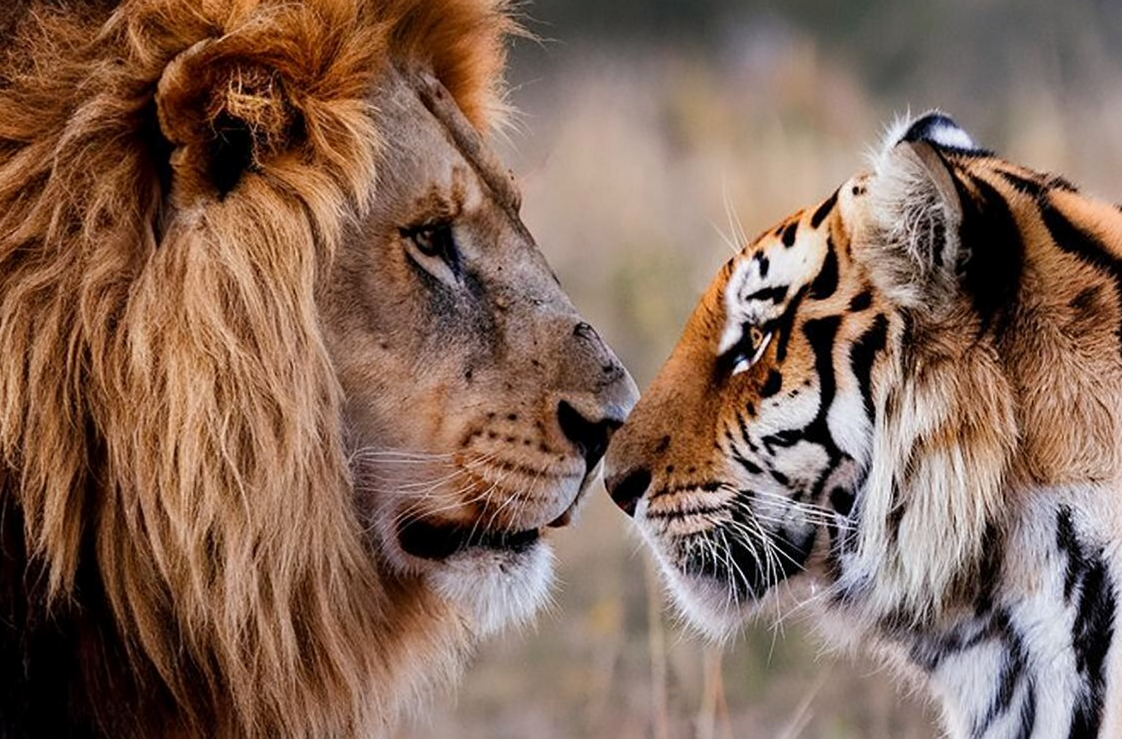
Thirty lions and tigers were flown out of Argentina last month, more than six years after authorities closed the zoo where they had spent most of their lives.
Fifteen went to LIONSROCK Big Cat Sanctuary in South Africa and another 15 to The Wild Animal Sanctuary in Colorado. Years in captivity at Zoo Luján, outside Buenos Aires, had left some with dental and kidney disease, complications from being declawed and injuries that had healed badly. FOUR PAWS, the animal-welfare organisation that arranged the transfer, had been working at the former zoo since 2023 and was still looking for permanent homes for more than 20 big cats after the flights departed.
The time it took to relocate them illustrates a difficulty that has accompanied tougher restrictions on keeping wild animals. South Africa is trying to phase out commercial captive-lion breeding, an industry that has left about 8,000 lions in captivity, according to the country’s environment department. Other countries are closing circuses, tightening exotic-pet laws and acting against private collections and poorly run zoos. Confiscated animals cannot always be released, and many require specialist care for years.
Wildlife sanctuaries have traditionally taken some of them. The Global Federation of Animal Sanctuaries, which sets accreditation standards for the sector, works with nearly 200 accredited or verified sanctuaries and rescue centres. Animals arrive from private owners, laboratories, government authorities, entertainment businesses and zoos, often because the institutions or people responsible for them can no longer provide appropriate care.
The cost can be substantial and long term. Large carnivores may spend another 15 or 20 years in captivity and elephants considerably longer. Suitable land, food, keepers and veterinary treatment have to be provided regardless of whether the zoo, breeder or private owner that once paid for them still exists.
Private foundations and wealthy donors have become increasingly important in meeting those costs. The Wild Animal Sanctuary in Colorado has taken large carnivores from private owners, roadside zoos and other facilities for decades. LIONSROCK houses big cats rescued from captivity in several countries. AAP runs specialist centres for primates and other exotic mammals in Europe, while the Born Free Foundation supports sanctuary care for animals that cannot safely be returned to the wild.
The transfer from Argentina was unusually large. FOUR PAWS spent months preparing the animals for journeys across three continents, keeping family groups and animals accustomed to living together intact. Luciana D’Abramo, the organisation’s chief programme officer, called their departure a “fantastic milestone” for the animals and for welfare standards in Argentina. The remaining big cats at the former zoo meant the work there was continuing.
In India, private funding has produced a wildlife facility on a much larger scale.
Vantara occupies more than 3,500 acres in Jamnagar, in the western state of Gujarat, and was created by Anant Ambani, the youngest son of Mukesh Ambani, chairman of Reliance Industries and one of Asia’s richest men. The project is backed by Reliance Foundation, the conglomerate’s philanthropic arm, and was formally inaugurated by Prime Minister Narendra Modi in March 2025.
Reliance says the wider Vantara initiative cares for more than 150,000 animals from over 2,000 species. Its facilities include a large elephant hospital, specialist wildlife hospitals and clinics, diagnostic laboratories, quarantine areas, a pharmacy and an animal nutrition centre. More than 260 Asian elephants are housed on a 998-acre site. Reliance Foundation’s latest annual report says about 3,500 professionals work across the initiative, including 88 veterinarians and more than 200 para-veterinarians.
The resources available at Jamnagar allow it to accept animals that would be difficult for smaller organisations to accommodate. Vantara says animals have come from circuses, logging operations, private collections, overcrowded facilities and trafficking cases, as well as from other circumstances in which long-term care was required. Its work also includes rehabilitation and conservation breeding for endangered species.
South Africa’s captive lions show why such capacity is attracting attention. The government has acknowledged welfare and conservation problems associated with commercial lion breeding and approved recommendations for a voluntary exit programme in 2024. It has since moved towards preventing new captive commercial breeding facilities from being established. Even if the industry is eventually dismantled, the existing animals will require care, and many have spent too long in captivity to be suitable for release.
Authorities encounter the same problem after individual confiscations. Armenian investigators searching properties linked to businessman Gagik Tsarukyan in July removed lions and a tiger during an investigation that also involved alleged illegal hunting. They were transferred to Yerevan Zoo, where an elderly lioness died after being sedated during the operation. The episode showed some of the practical difficulties that begin after authorities decide an animal should be removed from private custody.
Sanctuary operators have dealt with those difficulties for years. Pat Craig, founder of The Wild Animal Sanctuary in Colorado, has said he began taking animals after discovering healthy lions and tigers faced euthanasia because other licensed institutions had no room for them. He eventually created a sanctuary, he said, for animals that had “nowhere else to go.”
There are limits to how that model can operate without affecting the industries from which some animals originate. The International Fund for Animal Welfare advises sanctuaries against buying animals and warns about routinely accepting surplus animals from breeding programmes, since freeing space at a breeding facility can allow more animals to be produced.
Accreditation standards reflect that concern. The Global Federation of Animal Sanctuaries requires animals to be acquired legally and ethically and generally prohibits intentional breeding except in limited circumstances. It also distinguishes sanctuaries from businesses that breed, trade or commercially exhibit wildlife.
The issue becomes more complicated when animals are moved internationally. Trade in endangered wildlife is regulated by the Convention on International Trade in Endangered Species of Wild Fauna and Flora, or CITES, through permits issued by national authorities. Documentation records whether an animal was taken from the wild, bred in captivity or came from another recognised source.
The reliability of that system ultimately depends on the information available to the authorities issuing the documents. Researchers writing in the Journal of Environmental Management in 2024 examined 39,167 captive-wildlife trade records involving more than 53.6 million animals between 2000 and 2020. Fewer than 2% of species-year-exporter combinations showed abrupt changes from wild to captive sources that could indicate laundering. The researchers also identified 37,835 animals recorded as originating from registered Appendix I breeding facilities in countries where no such facility was registered for the species concerned.
The study did not conclude that captive breeding was widely being used to disguise wild-caught animals. Its authors instead pointed to shortcomings in reporting that made parts of the trade difficult to verify independently.
Vantara’s overseas acquisitions brought those questions to India. Allegations were made about illegal procurement, animal welfare and compliance with wildlife laws, prompting India’s Supreme Court to appoint a special investigation team in August 2025. The team found no prosecutable evidence supporting the allegations and said imports had undergone several levels of regulatory verification. The Supreme Court accepted its findings the following month.
The CITES Secretariat subsequently examined Vantara’s international acquisitions. It found no evidence that animals had been imported into India without the required permits, while identifying transactions in which it believed the animals’ origins or source classifications warranted greater scrutiny. It recommended additional due diligence in some cases and warned of the need to ensure that an institution receiving wildlife on such a scale did not encourage demand for illegally sourced animals.
The findings dealt with different aspects of the same trade. The Indian investigation examined whether laws had been broken and found no evidence to support the allegations before it. CITES was concerned with whether the information supporting some legally issued permits could have been examined more closely.
Vantara has since revised its approach to overseas acquisitions. It withdrew pending applications for live-animal imports and imposed a moratorium until at least June 2027 while its procedures are reviewed. In August it appointed John Scanlon, who served as CITES secretary-general from 2010 to 2018, as chairman of a new governing council with final authority over acquisitions.
Scanlon had initially been commissioned to conduct an independent review of the organisation. After taking the new role, he said Vantara had accepted the recommendations arising from that process and was increasing its work in countries where the animals originate. The organisation has said future spending will include veterinary facilities, rescue centres and conservation programmes in range states, reducing the need in some cases to bring animals to Jamnagar.
Among the projects being discussed are support for Spix’s macaw conservation in Brazil and wildlife programmes in several African countries. In India, Vantara has proposed helping Assam establish three rescue and rehabilitation centres, including one for Asian elephants, which would eventually be handed over to the state government.
Assam’s forest and environment minister, Jayanta Mallabaruah, has welcomed the proposal and said the state would work with institutions whose expertise and resources could complement government conservation efforts.
Vantara chief executive Vivaan Karani has said the organisation wants more of its work to take place where species naturally occur and eventually to be assessed by the number of animals helped in their own habitats. For a facility built partly around bringing animals to Jamnagar, that would represent a significant expansion of its original rescue model.
International transfers will remain necessary in cases where suitable local facilities cannot be found. Zoo Luján is an example. Six years after the Argentine attraction closed, 30 of its lions and tigers had to travel thousands of kilometres to reach permanent sanctuary accommodation in South Africa and the United States. More than 20 remained behind while FOUR PAWS continued looking for homes.
The experience also suggests some of the standards by which large privately financed facilities are likely to be judged as their role grows. Regulators and animal-welfare groups will want reliable records of where animals originated, how they were acquired and whether breeding or transfers create incentives elsewhere in the wildlife trade. Facilities able to fund work in countries of origin will face another question: whether an animal needs to be moved at all when the money and expertise can be sent instead.
For many animals already in captivity, however, release will never be possible. South Africa still has thousands of captive lions as it considers the future of the industry that bred them, and the former Zoo Luján still had animals awaiting permanent placement six years after it closed. Whatever restrictions governments impose on breeding, ownership and display, the animals already produced by those activities will need to be housed and cared for the rest of their lives.